sammy
sammy 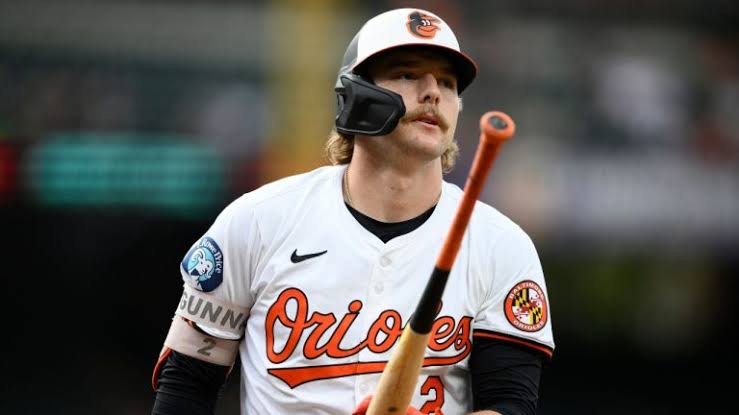
For years, this rebuild was sold as a foundation for sustained dominance — a deep farm system loaded with top-100 prospects, the kind of pipeline that should keep a franchise competitive for a decade. But as the early returns begin to settle, the reality has been far more uneven than the projections once promised.
Since 2020, only a small handful of those highly ranked prospects have truly delivered at the Major League level, and even fewer have become consistent impact players. What once looked like a wave of future stars now feels more like a scattered mix of breakthroughs, injuries, and stalled development.
The clearest success story remains Gunnar Henderson, who has emerged as the one true centerpiece — a reliable, high-impact bat and the closest thing to a franchise cornerstone the system has produced in this cycle.
Beyond him, the picture becomes far less certain. Adley Rutschman has shown flashes of elite talent, but persistent injuries have interrupted what was supposed to be a generational catching career. Grayson Rodriguez, once viewed as a frontline starter in waiting, has struggled with both health and consistency. Heston Kjerstad’s development has also been repeatedly slowed by injuries, while Ryan Mountcastle has settled into a solid but not star-level trajectory.
Others have been more situational than foundational. DL Hall has found some success in a bullpen role after moving on, while Colton Cowser has yet to fully establish himself as an above-average hitter at the Major League level. Jordan Westburg has shown promise but has also dealt with availability issues, and Jackson Holliday and Samuel Basallo remain too early in their careers to draw firm conclusions.
Meanwhile, several former top-tier prospects like Joey Ortiz (since traded) and Coby Mayo have yet to translate their hype into consistent big league production, with Mayo in particular still searching for a clear breakthrough.
Taken together, the broader concern isn’t just individual outcomes — it’s the collective hit rate. When only one or two players from an entire top-100 pipeline fully establish themselves as stars, it raises unavoidable questions about development, projection, and execution at every level of the system.
And then there are the secondary names — players like Chayce McDermott, Jud Fabian, and others — who were once viewed as potential contributors but have so far failed to push past “depth” status. Even pitching depth options such as Bradford have yet to inspire confidence as long-term answers at the Major League level.
What was once framed as a once-in-a-generation rebuild now feels more like a reminder of how unpredictable prospect development can be. The talent was undeniable on paper — but translating paper dominance into sustained big-league success has proven far more complicated.