No Club Deserves This Disrespect!’ — Martin O’Neill Explodes Over Celtic’s Treatment as Fans Rally Behind Club Legend”
 Sportgates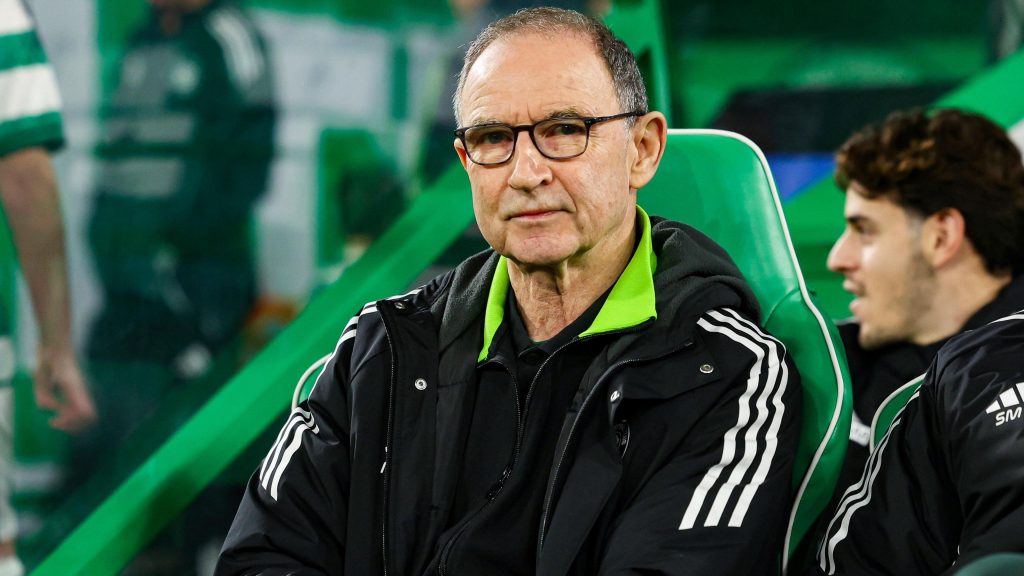
The atmosphere around Celtic F.C. has become increasingly tense, and former manager Martin O’Neill did not hold back in expressing his frustration over what he believes is unfair treatment toward the club. In passionate remarks that quickly sparked reactions across the football community, O’Neill reportedly condemned the situation surrounding Celtic, insisting that “No club deserves to be treated so disrespectfully!” His comments have resonated strongly with supporters, many of whom feel the club has been unfairly scrutinized, criticized, or placed in difficult circumstances without proper respect for its stature and history.
For many Celtic fans, Martin O’Neill’s words carried extra weight because of the deep connection he shares with the club. During his successful spell in charge of Celtic between 2000 and 2005, O’Neill restored belief, dominance, and European credibility to the Glasgow giants. Under his leadership, Celtic won multiple league titles, domestic cups, and famously reached the UEFA Cup Final in 2003. Because of that legacy, supporters still view him as a powerful voice who understands the culture and expectations surrounding the club better than most outsiders.
The comments appear to reflect growing frustrations among sections of the Celtic support regarding how the club has recently been portrayed or handled in football discussions. Whether the issue involves officiating controversies, media narratives, scheduling disputes, or broader treatment from football authorities, O’Neill’s intervention struck a chord because it voiced emotions many fans had been feeling for some time. Social media quickly erupted with praise for the former manager, with supporters applauding him for publicly defending the club when they believed others had remained silent.
One fan reaction summed up the mood perfectly: “Thank you, Martin O’Neill, for this response. He really needed to be held accountable like that for once.” Another supporter added, “Finally, someone stood up for the team. Respect to Martin O’Neill!” Those responses highlight the sense of relief among fans who wanted a respected football figure to openly challenge what they viewed as unfair treatment toward Celtic.
What makes O’Neill’s criticism particularly significant is the reputation he carries within British football. He is not seen as someone who speaks recklessly or seeks controversy for attention. Instead, he is widely respected for his football knowledge, leadership, and honesty. When someone of his stature speaks passionately in defense of Celtic, it inevitably draws attention across Scotland and beyond.
At the same time, the incident also underlines the emotional intensity that surrounds Celtic as an institution. Few clubs in world football command such a fiercely loyal fanbase or carry such cultural significance. Supporters expect the club to be treated with respect both on and off the pitch, and when they feel that standard has not been met, reactions can become powerful and unified.
Ultimately, Martin O’Neill’s remarks were about more than one isolated issue. They reflected a broader belief that Celtic, because of its history, achievements, and supporters, deserves fairness and respect at every level of the game. Whether people agree with his criticism or not, his passionate defense of the club has once again strengthened his standing among Celtic supporters, many of whom still regard him as one of the most influential figures in the club’s modern history.